Millions of individuals in the U.S. (52.9 million in 2020) struggle with mental health conditions. Approximately 9.5 million adults struggle with addiction and a dual diagnosis, according to SAMHSA.
What is Dual Diagnosis?
Individuals who struggle with mental health and substance use disorders have a dual diagnosis (co-occurring disorder). While these conditions commonly co-occur, one doesn’t necessarily cause the other.
Eye Movement Desensitization and Reprocessing (EMDR) therapy is used to treat addiction and trauma. It’s a form of cognitive behavioral therapy that assists people with changing how they think and respond to addictive behavior triggers.
How EMDR Works
EMDR uses eye movements to desensitize and reprocess emotional stress linked with traumatic experiences. It works on the principle that your brain has natural healing abilities, helping the brain recognize, move past, and heal from traumatic events.
Effective for panic disorders, eating disorders, anxiety, depression, trauma
EMDR Treatment Phases
Phase 01
Identifying emotional distress
Phase 02
Imagery and stress reduction methods
Phase 3-6
Identifying negative self-beliefs, related emotions, vivid visuals
Phase 7-8
Self-calming techniques and progress examination
Cognitive Behavioral Therapy (CBT)
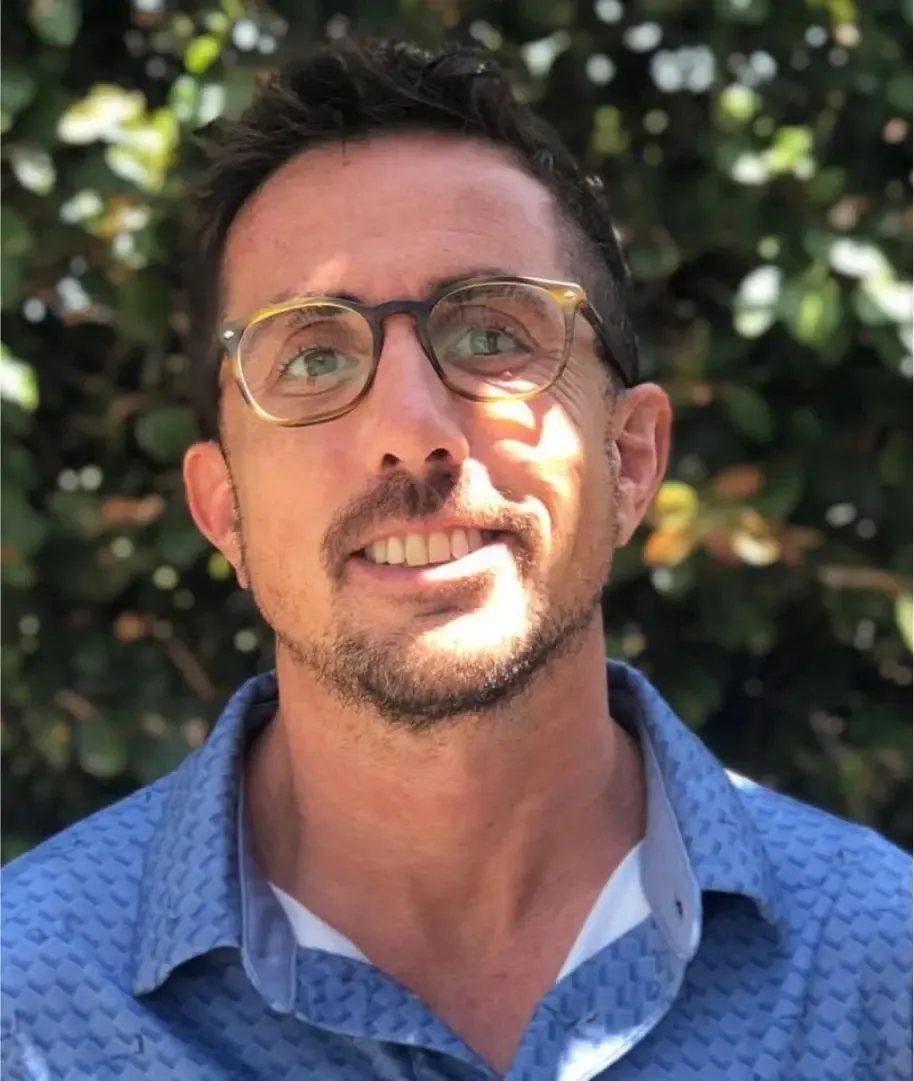
Clinically Reviewed by: Matthew Beck
Cognitive behavioral therapy is a psychological treatment that helps manage challenges like addictions and depression by altering thought processes and behavior. CBT focuses on changing automatic negative thoughts that contribute to mental health concerns.
How CBT Works
CBT helps discover and change disturbing thought patterns that negatively influence emotions and behavior. The process helps people identify triggering patterns and develop new coping skills.
Helping disintegrate false beliefs leading to drug abuse
Recognize Identify circumstances that prompt substance use
Avoid Remove yourself from trigger situations when possible
Cope Use CBT techniques to address feelings leading to substance use
CBT Techniques
Thought records
Analyzing automatic negative thoughts with objective evidence
Behavioral experiments
Comparing negative vs. positive thoughts for behavior change
Imagery-based exposure
Processing painful memories to reduce anxiety
Pleasant activity schedule
Healthy activities to replace substance use
Dialectical Behavioral Therapy (DBT)
DBT addresses disturbing thoughts while implementing treatment strategies like mindfulness and emotional regulation. Particularly effective for personality disorders and emotional instability.
DBT Components
Mindfulness practices and present-moment awareness
Distress tolerance skills for crisis situations
Emotion regulation techniques for mood management
Interpersonal effectiveness training for healthy relationships
Group Therapy
Group sessions provide peer support and allow individuals to share experiences and coping strategies in a safe, therapeutic environment.
Matthew is a licensed marriage and family therapist and clinical supervisor in Orange County, California. Matthew has an extensive history working with the substance abuse and mental health population and is committed to client care with an ethical approach to treatment. Matthew utilizes a solution-focused, cognitive behavioral approach to therapy. He emphasizes the importance of creating a recovery environment which supports deep and meaningful sober connection, a system of accountability, daily structure and healthy routine, and an aftercare plan which will support continued sobriety post-treatment.
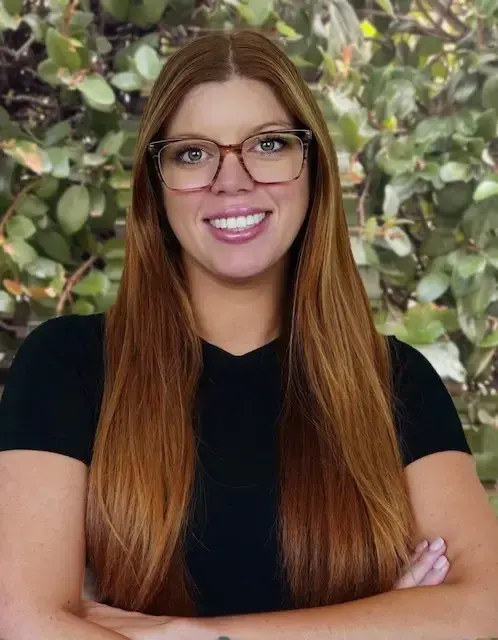
Kylie Sarkissian
Primary Therapist
Kylie earned her masters in clinical psychology from University of Phoenix. She has experience providing counseling services to a variety of individuals, including adolescents, in various settings within the community. Kylie uses different modalities in her practice, such as cognitive behavioral therapy, motivational interviewing and mindfulness. In her free time, Kylie enjoys spending time with her family, traveling and volunteering.
Lisa Buendia
Director of Nursing
Lisa has been working in the medical field as a licensed vocational nurse for nearly a decade and specializing in detox and residential services for the last seven years. She will make your admission process smooth and safe, working with our Medical Director every step of the way to ensure your safety and comfort throughout your stay.
Ryan Love
Owner & CEO
Ryan had previously been working as the Director of Operations for several sub-acute detox and residential facilities around Orange County, CA, for the last seven years. His professional experience and personal insight into recovery enable the delivery of cutting-edge treatment in a safe, comfortable environment with life-changing results.